
Fit for Life - Hummus: A snack food with a lot of health benefits
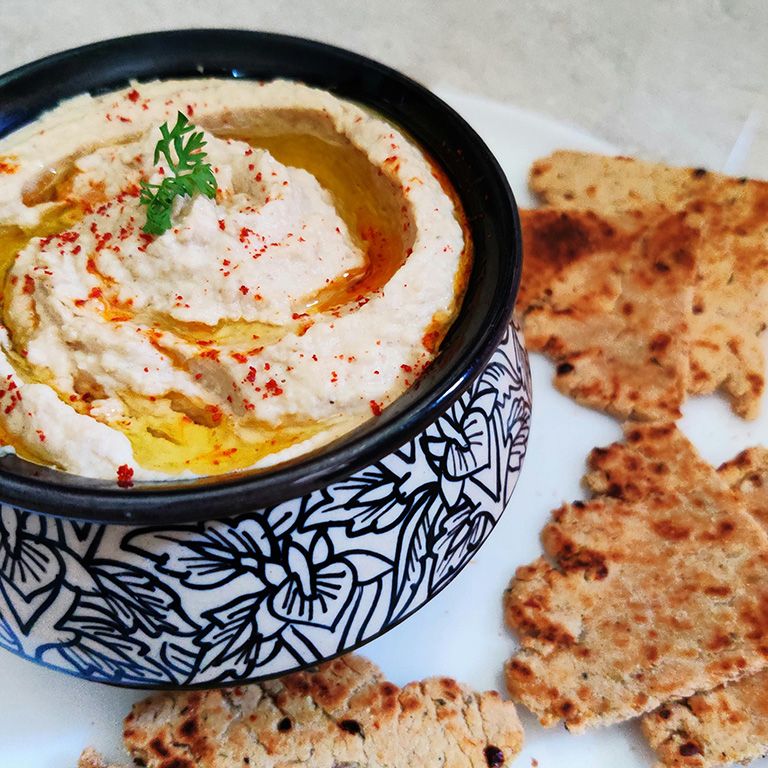
We’re well into 2026 and some of us are probably struggling on our health journey. The beginning of the year can be surprisingly hectic, and February is the first real month we get enticed with a lot of unhealthy choices. We might be reaching the point where we’re eating more uniformly, and sometimes that means we need a bit of a nutrition kickstart. A great option for that is hummus, an unassuming but delicious dip that has some surprising benefits.
As always, your health is your own, and unique to you; always consult a doctor or nutritionist before making dietary changes.
A big benefit of hummus is that it is packed with a lot of nutrients. While there are some obvious ones I’ll tackle in the next paragraph, eating hummus is a great way to get more niche nutrition such as manganese, magnesium, phosphorus, zinc and thiamine. It also has iron and folate, which can be important if you suffer from deficiencies (very common if you follow a vegetarian diet). It even contains plant-based proteins; not a ton but a nice way to get a little more protein in if you need it.
One of the big powerhouses of hummus is fiber. Hummus is great for digestive health and feeding healthy bacteria in our digestive system. It also will help you feel full easier, so if you eat it early in a meal, it can help slow down your eating, allowing you to potentially consume fewer calories. The fiber in hummus also helps lower blood sugar and total cholesterol. There’re two types of fiber: those that promote gut health and those that help lower blood sugar and cholesterol, and hummus happens to have both, making it a fiber powerhouse.

It can also help manage inflammation. This varies a little by recipe, but many hummus recipes call for garlic and olive oil, which are great for managing inflammation. This is a point that can be overstressed because it really does depend on the brand or recipe. Always look at the ingredient labels to see what’s in the food. A lot of time you will get garlic, but olive oil is often replaced for cheaper, far less healthy oils. If you’re willing to try making it yourself, you can add all sorts of ingredients such as lemon juice, herbs and even nuts, depending on what fits your taste and health goals.
Hummus is a great snacking food and goes well with other vegetables, such as carrots. If you’re eating it that way, it’s a great way to sneak in even more nutritious, healthy food, to potentially help satiate any food cravings you have. It’s in no way a meal by itself, but if you’re looking to promote gut health or just give yourself the taste of a more nutritious food, hummus is a great option!
