
From Camp to Curtain Call: Tiger Drama Camp Builds More Than a Show
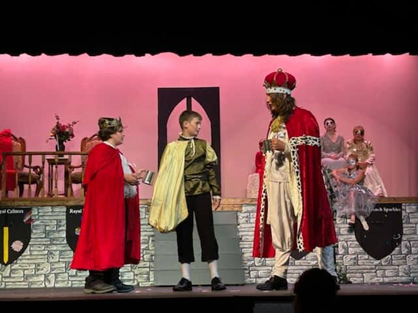
For two weeks each May, the stage at Fort Scott (Kansas) High School transforms into something much more than a performance space. It becomes a classroom, a creative workshop and for many young students, a first step into the world of theater.
Tiger Drama Camp brings together students entering first through ninth grade for a fast-paced experience that ends with a full theatrical production. In just two weeks, campers go from introductions and auditions to a live performance in front of an audience.
What makes the camp stand out is not just the final show, but everything that happens leading up to it.
“Participants not only produce an entire play in two weeks, but they are also immersed in every part of the process, from acting and staging to the technical and creative work behind the scenes,” Theatre Director Angie Bin said.
That hands-on approach has developed over time. What started as a smaller camp focused on basic theater activities has grown into something much bigger.
“I initially started the camp with children learning acting skills and participating in theater activities with a culminating song and dance,” Angie said. “Over the years, the camp ballooned into an entire show with two public performances for the community.”
From the very first day, the structure of the camp is designed to build both confidence and momentum. Campers begin with games and exercises that help them get comfortable performing. Once roles are assigned, the real work begins.
Students rotate through different areas of theater, working in small groups with high school mentors who guide them through acting, music, dance and technical elements. By the second week, those pieces begin to come together as rehearsals shift toward full cast run-throughs.
There is a noticeable turning point when everything starts to click.
“By the second week when we start technical rehearsals with the lights, costuming and mics, they really start to put it all together successfully,” Angie said.
While the structure of the camp is important, its success depends heavily on the students leading it.
Fort Scott High School thespians take on key roles as directors, coaches and designers. They are responsible not only for helping younger students learn their parts, but also for shaping the overall production.
For senior Levi Fairchild, that responsibility comes with excitement and pressure.
“I lead the kiddos and direct them to have as much fun as possible, while introducing them to an art,” he said.
Transitioning from performer to leader has changed how he views theater. Instead of focusing only on his own role, he now helps guide an entire group toward a shared goal.
“It feels amazing,” Levi said. “Growing up and learning is so much fun.”
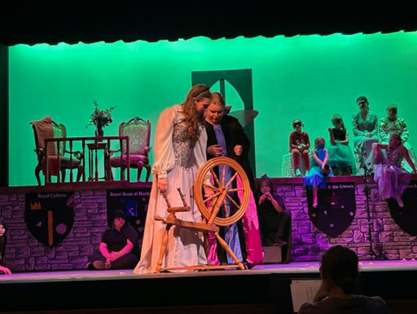
That growth does not come without challenges. Working with a large group of younger students requires patience, flexibility and constant attention.
“It’s very stressful when you have so many kids to keep track of,” he said. “You have so much to teach them and they don’t always pay attention.”
Even so, those challenges are balanced by moments that make the experience worthwhile. Watching students become more engaged over time is one of the most rewarding parts of the process.
“I love interacting with the kids,” Levi said. “I love seeing them get involved with theater.”
His experience has left a lasting impression on his future goals.
“I loved teaching here so much, I want to teach it forever.”
That kind of impact is exactly what the camp is designed to create. According to Angie, the leadership roles taken on by high school students are just as important as the experience for younger campers.
“My high school students serve as the directors, designers and coaches for the camp,” she said. “This teaches them leadership skills that reach far beyond the classroom.”
Senior Chris Newman, who serves as co-director alongside Levi, has experienced that growth firsthand. Her role requires collaboration and constant decision-making as the production takes shape.
“Levi and I have to collaborate and make decisions on blocking and staging, and the kids make it come to life,” Chris said.
Taking on a leadership role has also changed how she approaches theater from the other side.
“It’s kind of difficult making that switch,” she said, “but after directing, it makes taking direction a lot easier because I know the duties of the director and all the challenges that they face.”
Like Levi, Chris has faced the pressures that come with building a show on a tight timeline. One of the biggest challenges is keeping students engaged outside of rehearsal time.
“It becomes really stressful when kids don’t know their lines,” she said.
Still, there are moments when everything falls into place. For Chris, one stands out above the rest: “The first full run-through where everything is in order, the kids are prepared and I just get to sit back and watch the magic happen.”
Experiences like that have helped shape her future plans. Chris hopes to pursue a career in fine arts education, and the camp has played a role in preparing her for that path.
“Being in multiple leadership positions has made me feel like I am better prepared to go out and teach what I love,” she said.
The impact of Tiger Drama Camp extends beyond the students leading it. For many younger participants, it is their first opportunity to experience theater in any form.
“They get a chance to learn what it is like to be on stage, but also what you can do behind the scenes in the theater,” Angie said.
That exposure can be especially meaningful for students who may not have access to theater programs elsewhere. It opens the door to new interests, new skills and new confidence.
Over the course of two weeks, students begin to grow in ways that go beyond memorizing lines. They learn how to work together, support one another and step outside of their comfort zones.
Behind the scenes, there are still logistical challenges that come with producing a full show in such a short amount of time.
“Trying to costume 40-some children in just two weeks is the greatest challenge,” Angie said.
Meeting those challenges requires creativity and strong support from the community. Parents contribute their time and skills in a variety of ways, helping ensure everything runs smoothly.
For Angie, one of the most meaningful aspects of the program is seeing her students take ownership of the experience.
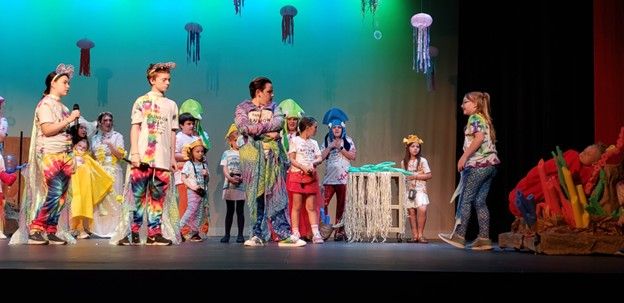
“It is overwhelming to me when I can act fully as a producer and facilitator and can trust that the rest of the camp and show will all come together with the leadership of my students,” she said.
That trust highlights a deeper pattern within the camp. Many of the high school students leading today were once campers themselves. Now, they return to guide the next group through the same experience.
“I’ve been doing theater since I was the same age as these kids,” Chris said. “It has been an amazing experience for me. I highly encourage parents to put their kids in activities like this.”
This year’s production, “The Entire American Revolution in 40 Minutes or Less,” reflects both the creativity and energy that define the camp. The show offers a fast-paced and humorous take on history, giving young performers a chance to shine while entertaining the community.
As opening night approaches, the excitement builds. Students prepare to step on stage and perform in front of an audience, many for the first time.
When the curtain finally falls, the applause will represent more than a successful show. It will reflect two weeks of effort, learning and growth from every student involved.
Tiger Drama Camp is not just about theater. It is about building confidence, developing leadership and creating an experience that stays with students long after the final bow.
For more information about Tiger Drama Camp 2026, including registration details, contact Theatre Director Angie Bin at 620-719-9622 or angela.bin@usd234.org. Registration forms are available at the Buck Run Community Center and are due by May 8. Performances will be held May 29 and 30 at 7 p.m. at the Fort Scott High School Auditorium.

