
More Than a Job: How Supported Employment is Redefining Inclusion in Southwest Missouri
March is Developmental Disabilities Awareness Month, a time to recognize not only the challenges individuals with developmental disabilities face, but also the strengths, talents and contributions they bring to their communities. In Southwest Missouri, one organization is working every day to ensure inclusion goes beyond awareness and translates into opportunity.
At Community Support Services of Missouri, supported employment is not about placing people into jobs for the sake of optics. It’s about building independence, confidence and purpose through meaningful, community-based work.
“Our supported employment program helps interns build the skills, confidence and independence needed to succeed in community-based jobs,” says Director of Employment Services Kelly Blackford. “Day-to-day, interns receive individualized support based on their goals.”
That individualized approach is what sets the program apart and what continues to change lives.
What Supported Employment Really Looks Like
For many people, the term “supported employment” can feel abstract. Kelly explains that, in practice, it’s anything but.
“Employment specialists provide job coaching, model tasks, offer prompts when needed and check in regularly to ensure the intern feels comfortable and successful,” she says. “We also collaborate with employers, address challenges as they arise and celebrate progress.”
Interns, intentionally referred to as such to emphasize growth and professional development, work in real workplaces, alongside coworkers without disabilities. These are not segregated environments or sheltered workshops. These are restaurants, hospitals, offices and local businesses.
“The focus is always on helping interns grow their independence while ensuring they have the support they need,” Kelly says.
That balance, support without limitation, is central to the program’s philosophy.
Why Community-based Employment Matters
Employment is about more than a paycheck. For individuals with developmental disabilities, community-based work can be transformational.
“Community-based employment promotes inclusion, independence and personal empowerment,” Kelly continues. “It allows interns to earn income, build relationships, contribute to their community and develop a sense of purpose.”
Just as important, these opportunities challenge outdated assumptions.
“Being part of a workplace helps break down stereotypes and demonstrates the strengths, talents and value individuals with developmental disabilities bring to the workforce,” she says.
When people are seen as colleagues instead of clients, perceptions begin to shift—for employers, coworkers and the broader community.
A Story of Opportunity, and What Happens When It’s Given
One intern’s journey illustrates exactly what supported employment can achieve when opportunity meets support.
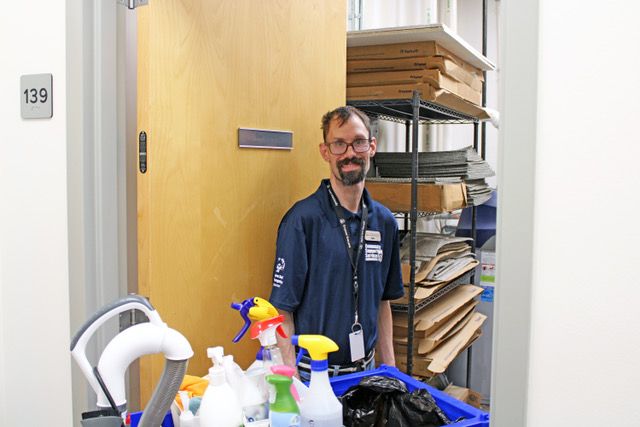
“One of our interns, Dale Grissom, came to CSS Employment Services working only one day a week for less than two hours,” Kelly shares. “That schedule was perfectly fine if that was what he wanted—but he had bigger goals.”
He wanted to work 20 or more hours a week and prove he could maintain a consistent schedule. But his employer at the time wasn’t willing to offer additional hours.
“That limited his ability to grow,” she says.
Through CSS Employment Services, Dale was given a new chance, this time with the support needed to succeed.
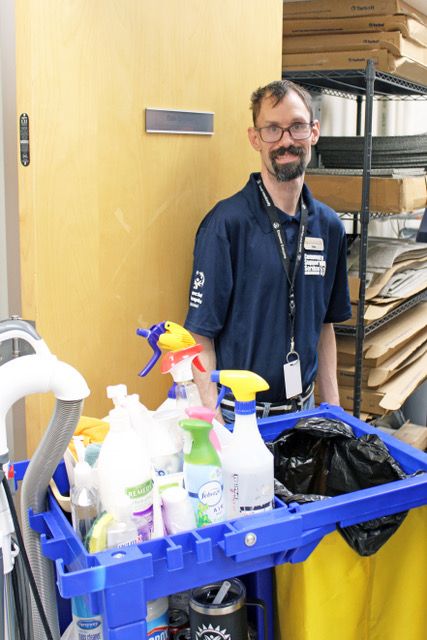
“With support from his employment specialist, he secured a new position earning above minimum wage and now works an average of 25 hours per week as an environmental services technician.”
In seven months, his record speaks for itself.
“He has never been late to work and has never called in sick. He genuinely wants to be at work every day, and his dedication shows.”
But the impact didn’t stop at attendance.
“He has learned everyone’s name, developed strong rapport with staff across multiple buildings and become a familiar, valued part of the team,” Kelly says. “His coworkers look forward to seeing him, and he takes pride in being recognized and included.”
For Dale, employment became more than a job—it became belonging.
“He loves his job, takes pride in his accomplishments and continues to grow in confidence and independence. His success is a powerful reminder that when interns are given the opportunity to show their value, they rise to the occasion.”
The Support That Makes Success Possible
Behind every success story is a system of thoughtful, individualized support. CSS tailors assistance based on each intern’s needs and goals.
Supports may include:
- On-site job coaching
- Task modeling and step-by-step instruction
- Visual supports or checklists
- Communication and self-advocacy coaching
- Transportation planning
- Benefits counseling
- Regular employer check-ins
- Problem-solving around workplace expectations
“As interns grow more independent, support is gradually faded while remaining available as needed,” Kelly explains.
The goal is not dependency; it’s empowerment.
What Employers Gain
Hiring through supported employment isn’t charity. It’s a smart business decision.
“Employers gain reliable, dedicated workers who bring strong work ethic and pride in their roles. They also receive ongoing support from our team at no cost—we assist with training, communication and problem-solving.”
CSS is actively seeking partnerships with more local businesses.
“Many of our interns are looking for part-time schedules of around 8 to 10 hours per week,” Kelly shares. “They bring enthusiasm, consistency and a genuine desire to contribute.”
Employers who take that step often discover something unexpected.
“They discover just how impactful and rewarding these partnerships can be,” she says.

Dispelling Common Misconceptions
Despite proven outcomes, misconceptions about employees with developmental disabilities persist.
“Common misconceptions include the belief that individuals can’t learn complex tasks, can’t work independently or won’t be dependable,” says Kelly. “In reality, our interns consistently demonstrate reliability, attention to detail and loyalty.”
Another concern employers often raise is accommodations.
“Another misconception is that accommodations are costly; most are simple, inexpensive and often helpful to the entire team,” she explains.
Inclusion, it turns out, benefits everyone.
Matching the Right Person to the Right Job
Success begins long before an intern’s first day on the job.
“We use a person-centered approach,” Kelly says. “We learn about the intern’s interests, skills, sensory needs, communication style and long-term goals.”
CSS conducts vocational assessments, job trials and community-based experiences to find the right fit.
“Then we partner with employers whose needs align with the intern’s strengths.”
That alignment is key, not just for employment, but for long-term success.
The Ripple Effect Beyond Work
Employment changes lives far beyond the workplace.
“Interns often experience increased confidence, independence and pride,” Kelly says. “They build friendships with coworkers, participate more in their community and develop routines that support emotional well-being.”
Financial independence plays a role, as well.
“Earning a paycheck allows them to make choices, contribute to their household and enjoy greater autonomy. For many, employment becomes a meaningful part of their identity and overall quality of life.”
A Message for Developmental Disabilities Awareness Month
As the community recognizes Developmental Disabilities Awareness Month, Kelly hopes the conversation evolves.
“Inclusion isn’t a charitable ‘add-on’ - it’s a fundamental upgrade to the fabric of our society and our economy,” she says.
She challenges the way employment is often framed.
“It’s time to flip the script. Diversity of thought, neurodivergence and different physical experiences are competitive advantages.”
And the cost of exclusion is real.
“When we exclude people with developmental disabilities from the workforce, we aren’t just failing them, we are depriving ourselves of their brilliance,” she continues.
Why ‘Intern’ Matters
One final detail reflects the heart of the program: language.
“We use the term intern because it reflects our philosophy of growth, learning and skill-building,” Kelly says. “The word emphasizes their role as active learners and contributors—not passive recipients of services.”
It’s a small shift with a powerful message, one that aligns perfectly with the mission of supported employment.
During Developmental Disabilities Awareness Month, that message is clear: opportunity changes everything, and when communities make room for everyone, everyone benefits.
_____________________________________

Community Event Spotlight
Magic, Advocacy and a Different Way of Thinking
In celebration of Developmental Disabilities Awareness Month, Community Support Services of Missouri will host a special community event featuring Cody Clark, an autistic self-advocate and magician known for his inspiring, high-energy performances.
Clark will present “A Different Way of Thinking,” a powerful blend of magic, humor and personal storytelling that challenges perceptions and encourages audiences to rethink what’s possible. Drawing from his own life experiences, Clark shares a message of inclusion, acceptance and living without limits. The evening will conclude with a live Q&A, giving attendees the opportunity to engage directly with Clark and learn more about his journey.
The event is open to the community and is appropriate for all ages.
Event Details
Friday, March 27, 2026
6 p.m.
Joplin South Middle School Auditorium
900 E. 50th St., Joplin, MO
Tickets: $5 per person | Children 5 and under are free
Purchase tickets: www.givebutter.com/CSScody
This event is powered by Liberty.
