
KCU Joplin’s New Anesthesiologist Assistant Program Launched in January
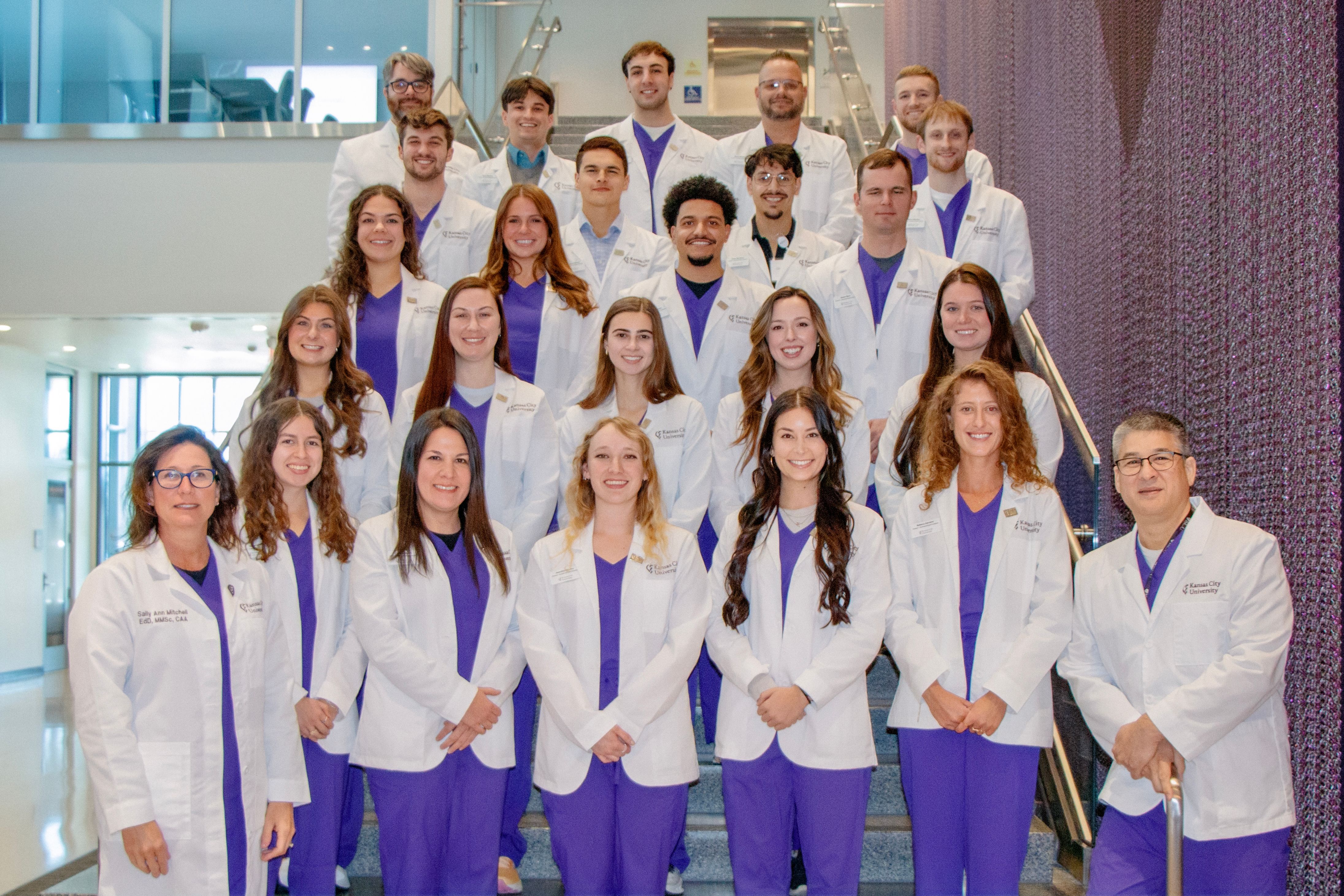
Twenty-four students are making history at Kansas City University’s Joplin campus as they begin the first year of the school’s new Anesthesiologist Assistant program. The program was born out of need from the school’s hospital partners, who see a growing demand for anesthesiologist assistants in the area. From about 900 applicants, these 24 students were chosen to pioneer the program, further their education and give back to their communities.
Anesthesiologist assistants are highly trained professionals who work under the direction of licensed anesthesiologists as part of a surgical care team, helping plan and manage patient care during procedures.
Program Director Dr. Sally Mitchell has worked as an anesthesiologist assistant for more than two decades. She said the role is still unfamiliar to many people because most patients never see the work happening during surgery. As more people learn about operating room teams through television and broader access to information, more students are discovering the profession as a career path.
Selecting the first class
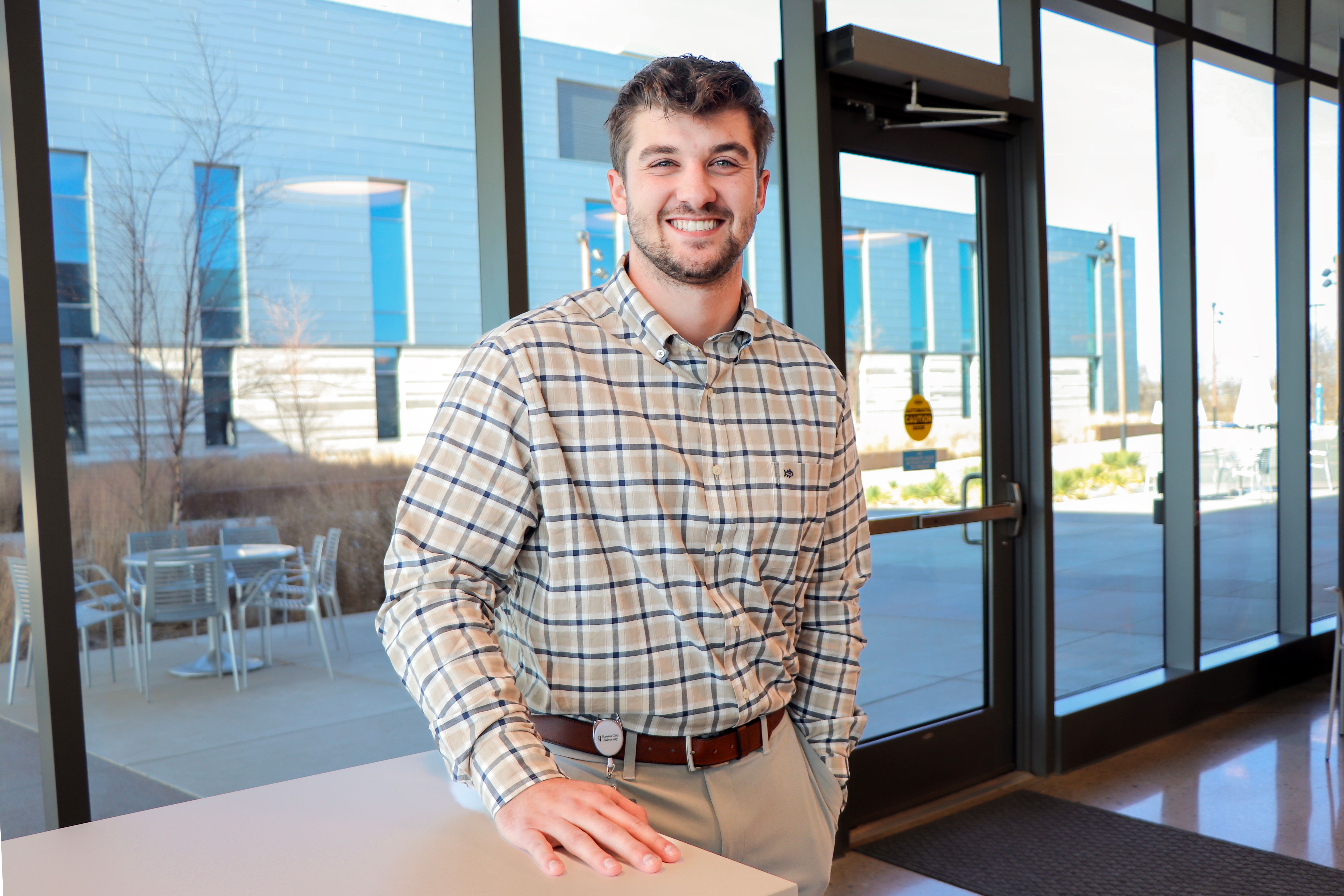
Dr. Mitchell said the school interviewed about 100 candidates before deciding on the students who would fill the inaugural 24 spots. The first class was chosen with several goals in mind, including leadership experience and a strong understanding of the profession before committing to it.
She said the class collectively brings more than 100,000 hours of leadership experience, along with more than 60,000 hours of healthcare experience. Their backgrounds range from respiratory therapists to exercise physiologists and even a civil engineer. Many have also worked as anesthesia techs.
Applicants also completed shadowing for at least 8 hours, and some completed more than 60 hours. Dr. Mitchell said that matters because it helps candidates understand the physical demands of the role, the minute-to-minute mental attention required to monitor patients, and what it means to work in an operating room environment.
From Classroom to Clinical Work
The Master of Health Science in Anesthesiologist Assistant program at Kansas City University combines academic training with hands-on experience that shifts over time. In the first and second terms, the program is 75% classroom and 25% clinical. As each term progresses, classroom time decreases and clinical hours increase. In the final three terms, students spend 80% of their time in clinical work and 20% in coursework, with later classes focused on advanced topics and preparation for the national certification exam.
Dr. Mitchell said the 28-month program is rigorous. Students study the pharmacology of anesthesia-related drugs, the physics of the human body as it relates to vital functions, and the anesthesia machine itself.
Student Experiences
Four days into their first term, several students shared why they chose this path and why Joplin mattered to them.
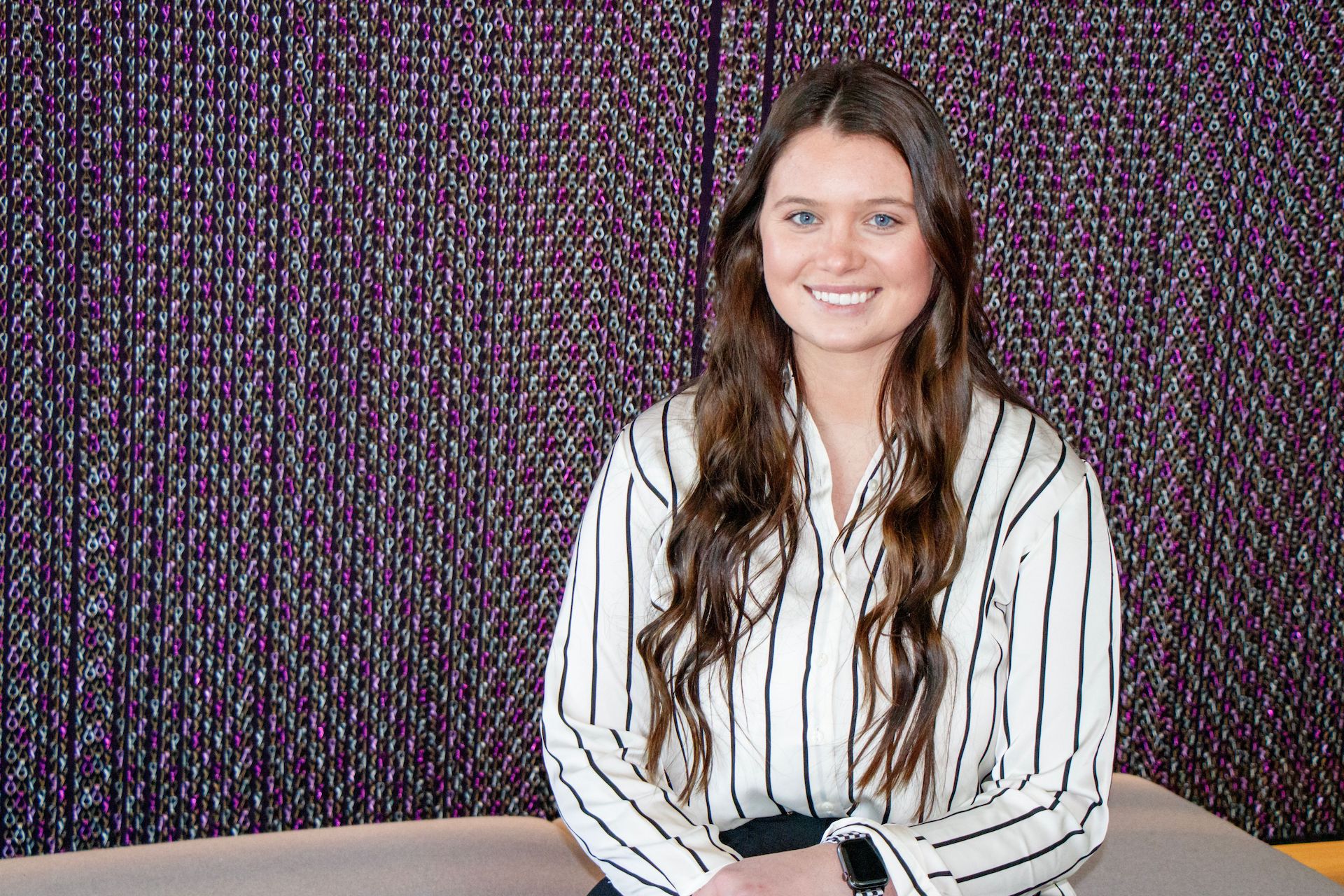
Darin Oplotnik is from Fair Grove, Missouri, and said staying close to family played a key role in his decision. With family in both Joplin and Springfield, KCU’s Joplin campus made sense.
“I’m a small-town guy, so I like the area,” he said. He also plans to stay in the region after graduation. Oplotnik said anesthesia appealed to him because it allows providers to care for patients at their most vulnerable moments. Shadowing nurse anesthetists and anesthesiologist assistants helped solidify that this was the right path.
Jered Moore first learned about the profession while working as a patient care tech. He said his path into medicine included working in several roles as he figured out where he fit. After researching the field and shadowing an anesthesiologist assistant, he knew it was the right direction.
“I did a lot of research on the profession and really fell in love with it,” Moore said. He explained that shadowing through a family connection helped him understand the day-to-day work. Moore said having a support system nearby mattered, and he plans to give back to the community where he builds his career.
Rachel Sweet is a Joplin-area native whose experience in local health care shaped her decision. She worked at Freeman Health System for more than 6 years and said she had long been interested in anesthesia and medications. Sweet also saw firsthand how staffing shortages affected patient care.
“In this area, there have been times where surgeries were delayed or had to be sent to bigger cities because of provider shortages.” she said.
The role appealed to her because it combines pharmacology with direct patient care and uses a team-based approach in the operating room.
“We all have the exact same end goal,” she said. She added that local health systems have strong potential, but provider shortages must be addressed to get there.
Charlcie Gatewood grew up in Miami, Oklahoma, and said being close to home was a major factor in choosing KCU’s Joplin program. She plans to stay in the area after training.
Gatewood said growing up in small towns showed her how often rural communities are medically underserved, which made KCU’s mission of serving surrounding areas and encouraging graduates to return to those communities stand out.
“I’ve always been interested in medicine. I have a pre-med background, and medical school was my original plan,” Gatewood said. “Through shadowing, I found that I really liked anesthesia. Once I learned about the work-life balance being an anesthesiologist assistant provides, it made sense.”
In Practice
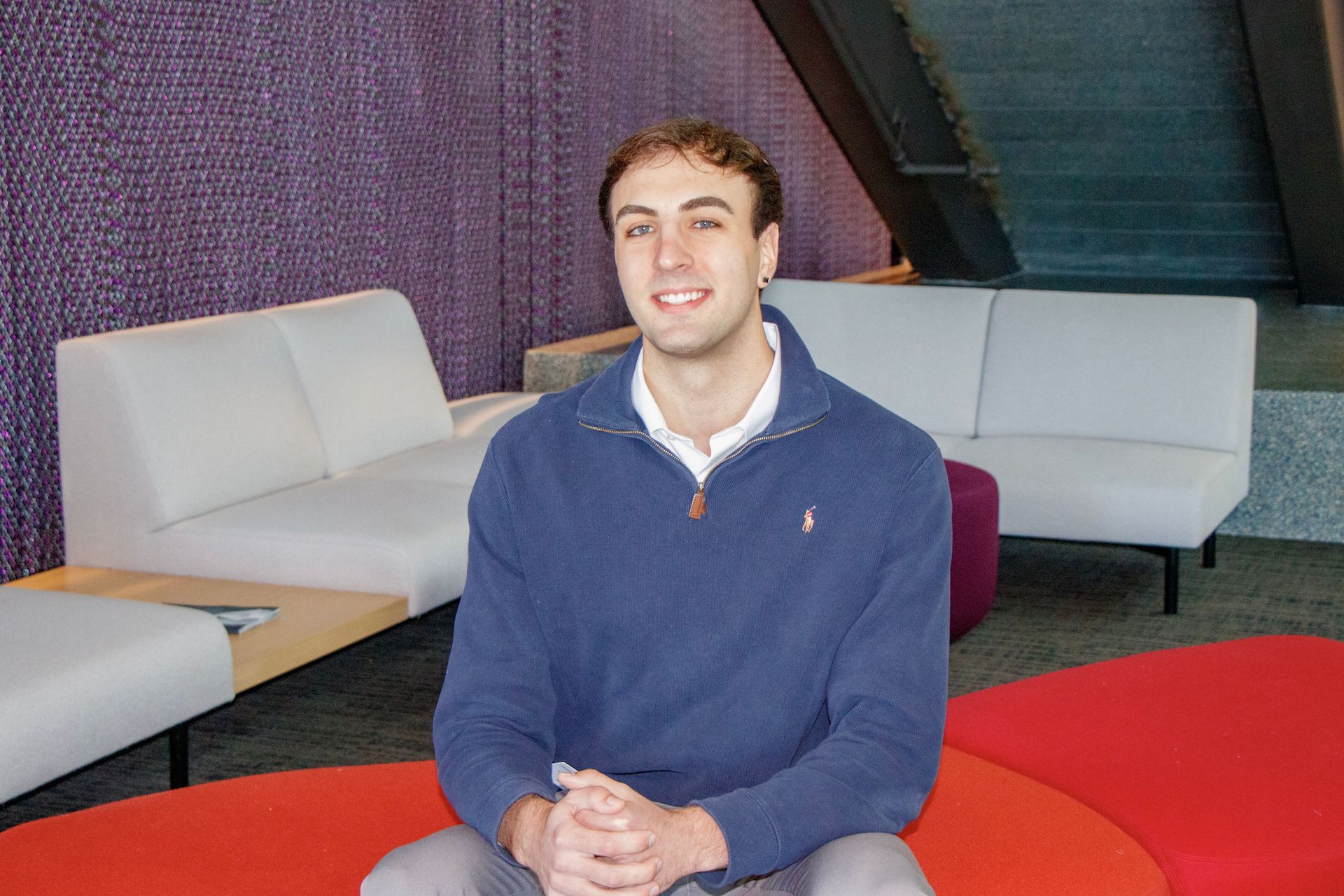
Dr. Mitchell said anesthesiologist assistants serve as the voice of the patient during surgery, when patients are unable to speak for themselves. They monitor vital signs, communicate changes to the surgical team and explain when adjustments are needed. They are also responsible for patient positioning and follow established standards and guidelines throughout each procedure.
She said anesthesiologist assistants are not present in every hospital or surgery center. There are fewer than 5,000 practicing nationwide, which is one reason the role is not widely seen in clinical settings.
Dr. Mitchell said another draw of the profession is scheduling flexibility driven by ongoing shortages. She said graduates often have significant input into their schedules, depending on the facility.

Plans for the Program
Looking ahead, the program is expected to grow. Kansas City University plans to enroll a new cohort each January. The first class will graduate in May 2028, and by 2029, the school expects to have three cohorts moving through the program at the same time. Dr. Mitchell said the main limit on growth is not classroom space or the number of instructors, but the availability of experienced clinicians who supervise students during hospital rotations. As the university adds more hospital partners, the program will be able to increase the number of seats offered each year. The program currently has six instructors, all recruited specifically for this program.
Graduates of the Master of Health Science in Anesthesiologist Assistant program may currently practice in 24 states, with additional states approving the role each year. The program is accredited by the Commission on Accreditation of Allied Health Education Programs upon the recommendation of the Accreditation Review Committee for the Anesthesiologist Assistant.
Dr. Mitchell said the program is focused on meeting a real need in the region. Surgical and procedural care depends on anesthesia, and expanding the workforce helps patients receive care closer to home. It also supports hospital partners managing growing demand with limited staffing.
This first class is unique because the students are helping shape the program as it grows. She said the students chose KCU, and KCU chose them. Over the next 28 months, they will move through the program together with a shared focus on strengthening patient care and improving access to anesthesia services across the region.
