Financial Reset 2026: A Fresh Start That Actually Works

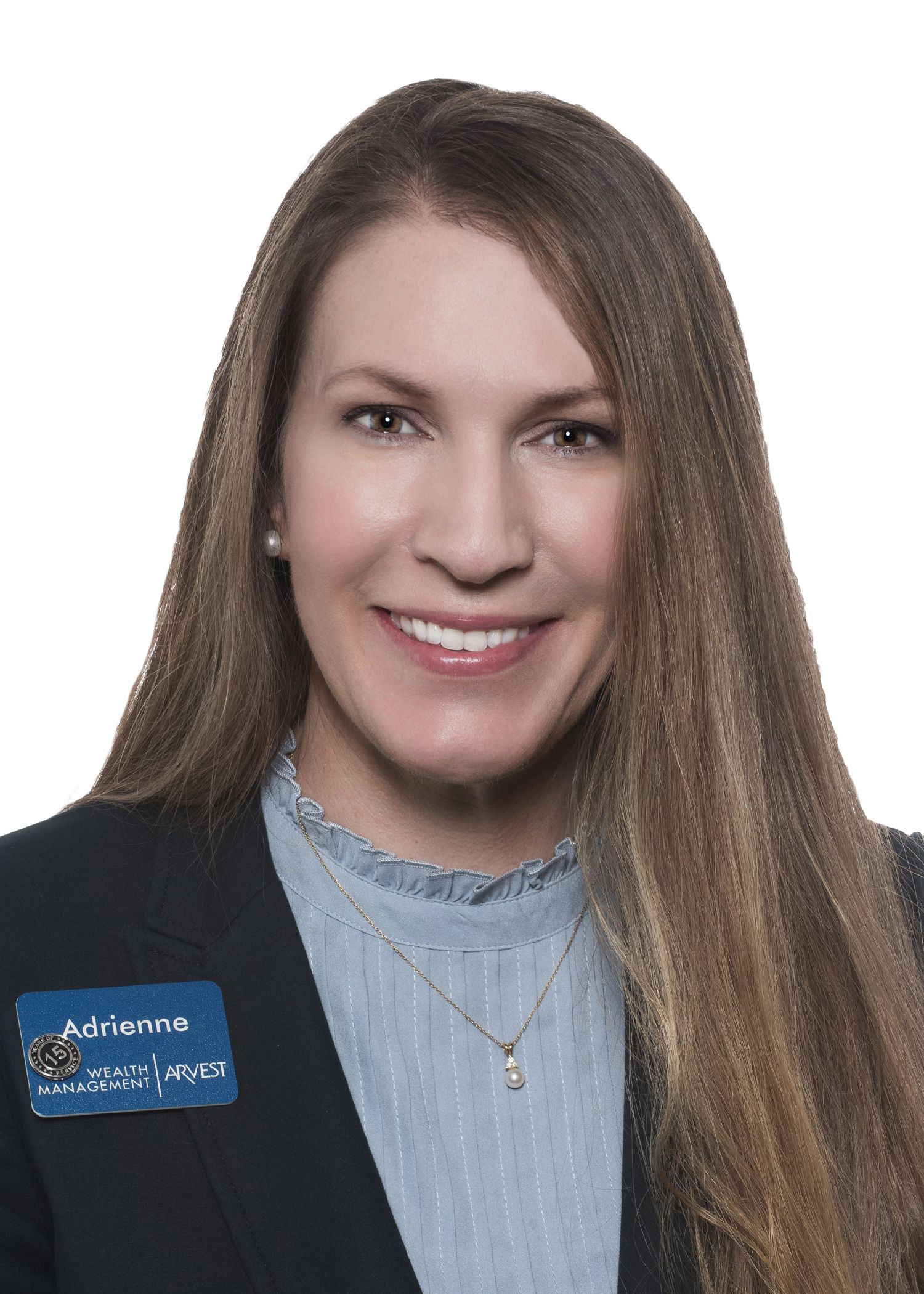
Many people greet January with the best intentions: write the budget, spend less, save more, overhaul everything. But according to Adrienne Jackson, CFP®, vice president and senior client advisor with Arvest Wealth Management, the problem isn’t the desire to improve, it’s the instinct to change everything all at once.
“While I appreciate a fresh start and New Year’s resolutions, making big changes all at once often leads to failure,” Adrienne says. “My preference is to set small, incremental goals that build upon one another throughout the year.”
It’s a refreshing and realistic approach to financial health, especially during a season when it’s easy to feel pressure to reinvent your entire life before the holiday decorations are even packed away. Adrienne believes a financial reset can be empowering, not overwhelming, when it’s built on intention, clarity and consistency.
Start Small, Start Slow and Start with Purpose
Adrienne encourages beginning the new year by focusing on habits that compound over time. She shared an example: If someone wants to build a $6,000 emergency fund by the end of 2026, “they need to save an average of $500 per month.” It’s simple math, but the impact comes from breaking down long-term goals into manageable pieces.
This “small step” strategy works for budgeting, too. Instead of treating a budget as a form of punishment, Adrienne recommends reframing how you think about it. “Think of yourself as the CFO of your own finances - you set the rules and decide what truly matters,” she shares. “Budgeting is simply the process of aligning your money with your goals, giving you permission to spend in areas that bring the most value.”
Look Back Before You Try to Move Forward
Most people want to jump straight into “fixing” their finances, but Adrienne insists the first step of any reset should be reflection.
“Reflecting on the past year is an essential part of financial planning,” she says. She recommends looking at bank and credit card statements to spot spending patterns and asking, “Did this spending reflect my values?” Then take a fresh look at your investment accounts and savings contributions to see if they support your long-term vision.
“It’s easy to lose sight of your overall plan amidst daily spending and saving choices,” she says. That’s why she encourages clients to clearly define what they want their financial future to look like, including the legacy they hope to leave. “Keep this vision top of mind, as it will serve as a guide to shape your day-to-day financial decisions.”
A financial reset isn’t just about numbers - it’s about direction.
A Better Way to Budget
When it comes to structuring a budget, Adrienne takes a top-down approach designed for real life rather than rigid spreadsheets. She begins with expected annual take-home pay and subtracts fixed expenses such as mortgage payments, insurance and utilities.
After identifying the non-negotiables, she turns to discretionary spending.
“I begin with essential categories such as groceries and fuel, and then proceed down the priority list,” she says.
From there, she creates an average monthly spending target for each category, not a strict monthly cap. Why? Because life isn’t consistent.
“Recognizing that budgeting needs to be flexible to accommodate unexpected events, using a monthly average provides the necessary wiggle room,” she says. Some months you’ll spend more; some you’ll spend less. The annual view ensures it balances out.
This structure not only reduces stress but also prevents the guilt people often feel when they “mess up” their budget. With this method, there’s no messing up, just adjusting.
Three Ways to Save More in 2026 Without Feeling Deprived
The advice to “save more” can feel simple, but Adrienne offers tangible steps that make a major difference without dramatically altering your lifestyle.
1. Increase retirement contributions automatically.
She suggests bumping up your contribution percentage whenever you receive a raise or cost-of-living adjustment. “Since you haven't yet adjusted to the higher salary, this increase in deferral shouldn't impact your current standard of living.”
2. Keep an eye on small expenses.
She notes that dining out, specialty coffees or quick convenience purchases often add up faster than people realize. “These seemingly minor costs accumulate quickly.” Many offer little satisfaction, and cutting back on them often doesn’t feel like a loss.
3. Separate your savings from your spending.
Creating a specific savings or investment account for your goals can be a psychological game-changer. “Upon receiving your paycheck, immediately transfer the budgeted savings amount into this separate account,” Adrienne shares. She suggests automating it so the habit builds effortlessly.
Staying Motivated All Year Long
Financial motivation tends to fade by February, but Adrienne has a strategy for that too: keep your eyes on the finish line.
She compares it to watching her kids run cross country.
“They are coached to keep their eyes up and focused on the next runner they need to pass and then eventually to focus on the finish line,” she says. “Their speed slows when they take their eyes off the goal.”
That perspective guides her work with clients. “In every meeting, we keep goals at the forefront of our conversation. We update and review the long-term plan, which provides feedback on progress and encourages momentum and continued discipline. Every decision we make is guided by the long-term plan.”
Motivation becomes easier when goals feel both visible and doable.
The Most Powerful Money Mindset Shift for the New Year
While budgeting techniques and savings strategies matter, Adrienne believes one mindset shift stands above the rest: contentment.
“A spirit of contentment is a powerful component of financial stewardship, and it can be cultivated through gratitude,” she says. By intentionally acknowledging what we have and expressing thanks regularly, “we develop contentment.” This mindset helps curb the pressure to spend more, have more or chase what others appear to have.
It's a gentle reminder that financial wellness is just as emotional as it is mathematical.
Simple Routines to Build Confidence with Money
Finally, Adrienne encourages readers to establish small habits that build financial confidence:
- Track your income and expenses regularly. Banking apps make it easy to monitor cash flow and identify patterns.
- Review spending summaries monthly. Seeing the numbers clearly helps you adjust without judgment.
- Find a trusted advisor. “They can assist you in uncovering financial blind spots, creating a comprehensive long-term financial strategy, explaining investment options and establishing clear savings objectives,” she says.
Financial confidence doesn’t come from perfection; it comes from awareness and support.
A Reset You Can Actually Stick To
As we enter 2026, Adrienne’s message is beautifully simple: Don’t try to change everything at once. Get clear on what matters most and build small steps that support your bigger vision.
Brokerage services provided by Arvest Wealth Management, member FINRA/SIPC.
Not FDIC Insured | No Bank Guarantee | May Lose Value